
What Is Orbitotomy Surgery?
The eye is protected by a bony cavity called the orbit, which contains the eyeball, muscles, nerves, blood vessels, and fatty tissue that support normal vision and eye movement. While many eye conditions affect the surface of the eye, others develop deep within the orbit, where specialized evaluation and treatment are required.
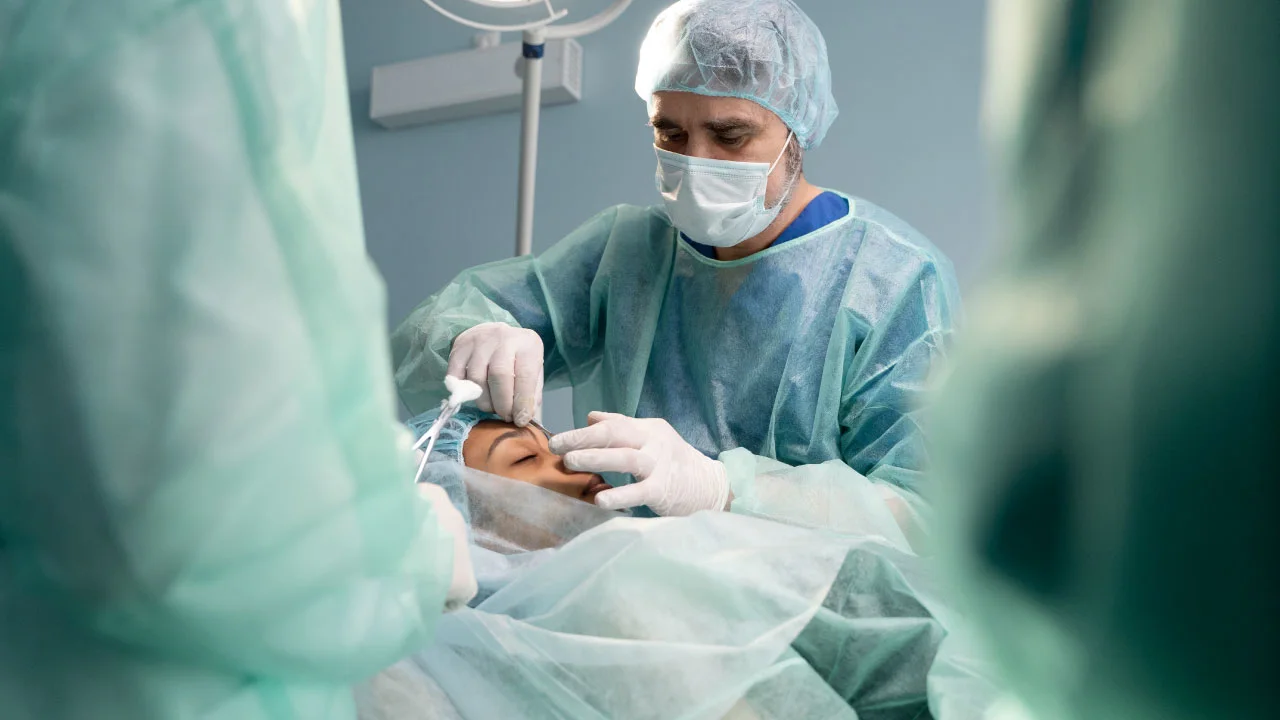
Orbitotomy is a surgical procedure that allows an oculoplastic surgeon to access the tissues inside the eye socket to diagnose or treat a variety of orbital conditions. Depending on the reason for surgery, the procedure may involve removing a growth, obtaining a tissue sample, repairing injuries, or relieving pressure within the orbit.
Dr. Saurbhi Khurana specializes in oculoplastic and orbital surgery, providing comprehensive care for patients with eyelid, lacrimal, and orbital disorders. Patients looking for the Best Oculoplastic Surgeon in Gurugram often seek specialized expertise in complex procedures such as orbitotomy, where careful surgical planning plays an important role.
What Is Orbitotomy Surgery?
Orbitotomy is a surgical procedure performed to access the structures inside the orbit without removing the eye. It allows the surgeon to safely evaluate or treat abnormalities located behind or around the eyeball.
The surgical approach depends on:
- The location of the lesion
- Its size
- Whether it appears benign or suspicious
- The surrounding structures involved
Modern imaging and specialized surgical techniques help surgeons plan the safest approach for each patient.
Why Is Orbitotomy Performed?
Orbitotomy may be recommended for several conditions affecting the orbit.
These include:
- Orbital tumors
- Orbital cysts
- Inflammatory orbital diseases
- Vascular abnormalities
- Foreign bodies following eye injuries
- Selected infections affecting the orbit
- Compression of important orbital structures
- Diagnostic biopsy of an orbital mass
Not every orbital condition requires surgery. Some patients may only need observation or medical treatment depending on the diagnosis.
Symptoms That May Require Evaluation
Symptoms of an orbital disorder vary depending on the underlying cause.
You should seek prompt medical evaluation if you experience:
- Bulging of one eye
- Persistent swelling around the eye
- Double vision
- Restricted eye movements
- Gradual vision changes
- Pain behind the eye
- A noticeable lump around the eye
- Eyelid swelling that does not improve
- Eye displacement
These symptoms do not always indicate a serious condition, but they should be assessed by an experienced ophthalmologist or oculoplastic surgeon.
Conditions That May Require Orbitotomy
Orbital Tumors
Both benign and malignant tumors can develop within the orbit. Imaging studies help determine the nature of the lesion, but surgery may sometimes be needed for diagnosis or treatment.
Orbital Cysts
Certain cysts can enlarge over time, causing discomfort or affecting eye movement. Surgical removal may be recommended when symptoms develop.
Eye Trauma
Following significant facial or eye injuries, orbitotomy may be performed to remove foreign bodies or repair damage within the orbit. Patients requiring Eye Trauma Repair in Gurgaon may benefit from evaluation by an oculoplastic surgeon experienced in orbital reconstruction.
Orbital Inflammation
Some inflammatory conditions affecting the orbit may require a biopsy if the diagnosis remains uncertain after imaging and clinical evaluation.
How Is Orbitotomy Planned?
Before surgery, your doctor performs a detailed assessment that may include:
- Comprehensive eye examination
- Vision assessment
- Eyelid evaluation
- Eye movement testing
- CT scan or MRI of the orbit
- Blood investigations when appropriate
These tests help determine the safest surgical approach while preserving important structures around the eye.
What Happens During Orbitotomy Surgery?
Orbitotomy is generally performed under general anesthesia, although the exact anesthesia plan depends on the procedure and individual patient factors.
The surgeon makes a carefully planned incision based on the location of the orbital lesion. Whenever possible, natural skin creases or hidden areas are used to help minimize visible scarring.
During surgery, specialized instruments allow the surgeon to:
- Access the orbital tissues
- Remove or biopsy the lesion if indicated
- Control bleeding
- Protect the optic nerve and eye muscles
- Preserve surrounding healthy tissues whenever possible
Once the procedure is complete, the incision is closed carefully.
Recovery After Orbitotomy
Recovery varies depending on the reason for surgery and the complexity of the procedure.
Patients may experience:
- Mild swelling around the eye
- Bruising
- Temporary discomfort
- Mild blurred vision during the early recovery period
Your surgeon may recommend:
- Cold compresses
- Prescribed medications
- Avoiding heavy lifting for a period of time
- Attending scheduled follow-up appointments
Most patients gradually resume normal daily activities based on their surgeon's recommendations.
Possible Risks
Like any surgical procedure, orbitotomy has potential risks.
These may include:
- Bleeding
- Infection
- Temporary double vision
- Swelling
- Scarring
- Changes in vision
- Injury to nearby structures
Your surgeon will discuss the expected benefits and potential risks based on your specific condition.
Why Specialized Oculoplastic Care Matters
Orbitotomy involves delicate structures responsible for vision, eye movement, and eyelid function. Careful planning and specialized training are important when performing surgery within the orbit.
Whether you require treatment for an orbital mass, eyelid condition, or tear drainage disorder, choosing an experienced oculoplastic surgeon helps ensure a comprehensive evaluation and personalized treatment plan.
Patients searching online for the Best Oculoplasty Doctor in Gurugram, the Best Oculoplastic Surgeon in Gurugram Sector 38, or the Best Ophthalmologist in Gurugram are often looking for a specialist with expertise in both functional and reconstructive eye procedures. Dr. Saurbhi Khurana also evaluates conditions such as eyelid tumors, tear duct blockage treatment in Gurugram, eyelid reconstruction, and cosmetic eyelid concerns, offering individualized care based on each patient's needs.
When Should You Consult An Oculoplastic Surgeon?
Consider scheduling an evaluation if you have:
- Persistent swelling around one eye
- A lump near the eye or eyelid
- Bulging of one eye
- Double vision
- Recurrent eyelid cysts
- A blocked tear duct
- Eye injuries affecting the eyelids or orbit
- A growth involving the eyelid or eye socket
Early diagnosis can help determine the most appropriate treatment and may prevent progression of certain orbital conditions.
Conclusion
Orbitotomy is a specialized surgical procedure that provides access to the tissues within the eye socket for the diagnosis and treatment of a variety of orbital conditions. Advances in imaging, microsurgical techniques, and oculoplastic surgery have made the procedure more precise while helping preserve the important structures responsible for vision and eye movement.
Dr. Saurbhi Khurana offers comprehensive evaluation and advanced surgical care for patients with orbital disorders, eyelid conditions, tear drainage problems, and eye injuries, developing individualized treatment plans based on each patient's diagnosis and clinical needs.
FAQs
Q: What is orbitotomy surgery?
A: Orbitotomy is a surgical procedure that allows an oculoplastic surgeon to access the tissues inside the eye socket to diagnose or treat orbital conditions without removing the eye.
Q: Is orbitotomy performed for cancer only?
A: No. Orbitotomy may be performed for both benign and malignant conditions, as well as cysts, inflammation, trauma, or to obtain a biopsy for diagnosis.
Q: Will orbitotomy affect my vision?
A: The goal of surgery is to treat the underlying condition while preserving vision whenever possible. Your surgeon will discuss the expected outcomes based on your diagnosis.
Q: How long does recovery take?
A: Recovery depends on the type of procedure performed and your overall health. Many patients notice gradual improvement in swelling and discomfort over several weeks.
Q: Which specialist performs orbitotomy surgery?
A: Orbitotomy is typically performed by an ophthalmologist with advanced training in oculoplastic and orbital surgery.
If you have persistent eyelid swelling, an orbital mass, double vision, eye trauma, or have been advised to undergo orbitotomy surgery, schedule a consultation with Dr. Saurbhi Khurana. She provides comprehensive evaluation and advanced oculoplastic care for orbital disorders, eyelid conditions, tear duct problems, and eye trauma using personalized treatment plans tailored to each patient's needs.


