
Orbital Tumors: Symptoms, Diagnosis, And Advanced Treatment Options
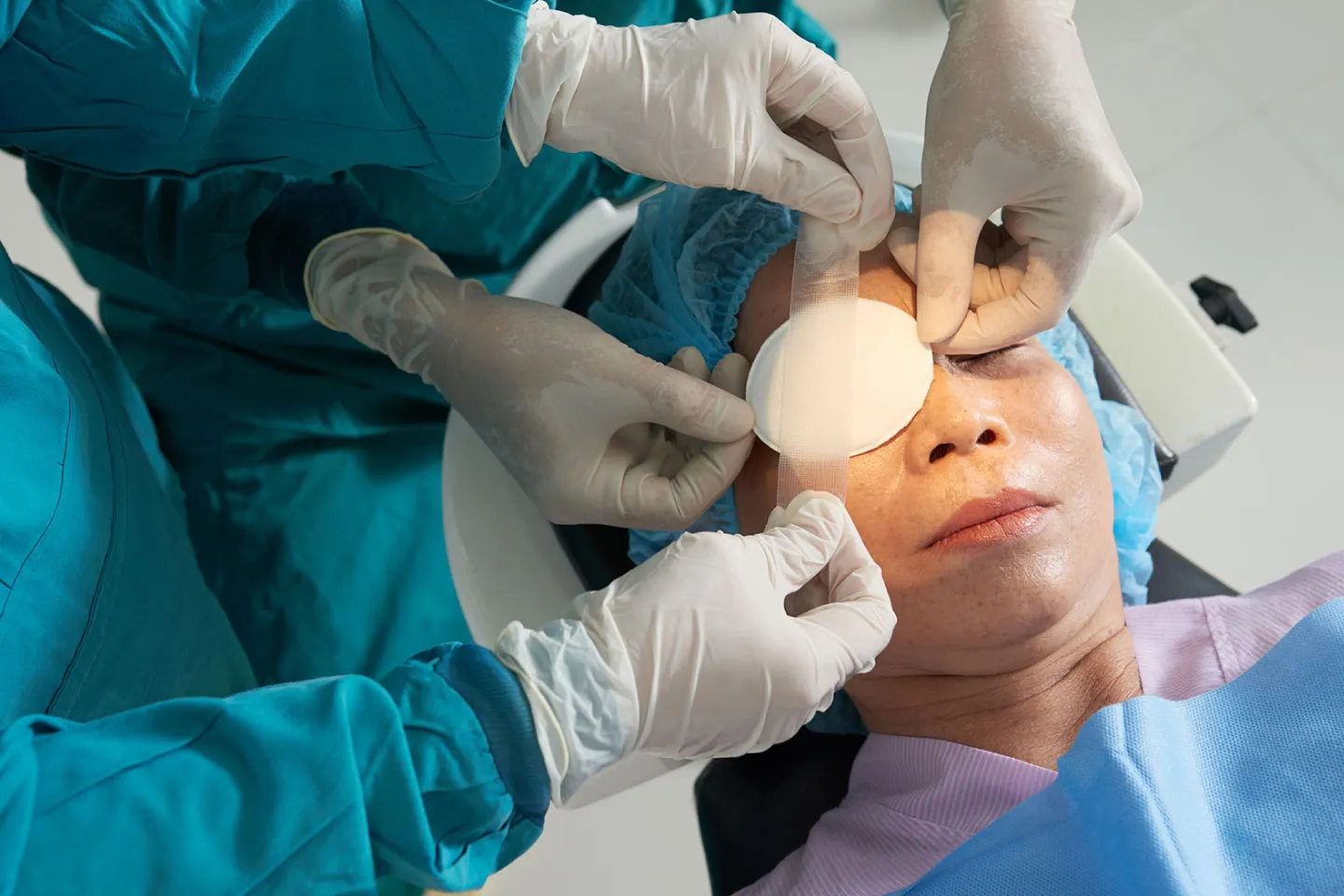
Orbital tumors are abnormal growths that develop within the orbit—the bony cavity that houses the eye and its surrounding structures. These tumors can arise from the eye itself, nearby tissues, or may spread from other parts of the body. While some orbital tumors are benign (non-cancerous), others may be malignant and require prompt medical attention.
At specialized centers like those led by Dr. Saurbhi Khurana, comprehensive evaluation and advanced oculoplastic surgical techniques ensure accurate diagnosis and effective management of these complex conditions.
What Are Orbital Tumors?
Orbital tumors refer to any abnormal mass within the orbit. They can affect structures such as:
- Eyelids
- Lacrimal (tear) glands
- Extraocular muscles
- Nerves and blood vessels around the eye
These tumors may be primary (originating in the orbit) or secondary (spreading from nearby areas like the sinuses or brain).
Types Of Orbital Tumors
Orbital tumors are broadly classified into benign and malignant types:
Benign Orbital Tumors
These grow slowly and are usually not life-threatening:
- Cavernous hemangioma
- Dermoid cyst
- Schwannoma
- Pleomorphic adenoma of lacrimal gland
- Malignant Orbital Tumors
These require urgent treatment and may spread:
- Lymphoma
- Rhabdomyosarcoma (more common in children)
- Lacrimal gland carcinoma
- Metastatic tumors (from breast, lung, etc.)
Common Symptoms Of Orbital Tumors
Symptoms vary depending on the size and location of the tumor. Some signs to watch for include:
- Progressive bulging of the eye (proptosis)
- Pain or discomfort around the eye
- Double vision (diplopia)
- Decreased vision
- Swelling or lump in the eyelid
- Restricted eye movements
- Watering or dryness of eyes
Early symptoms can be subtle, which is why timely evaluation by an oculoplastic specialist is essential.
Causes And Risk Factors
The exact cause of orbital tumors is often unknown. However, certain factors may increase the risk:
- Genetic predisposition
- Chronic inflammation
- Previous cancers elsewhere in the body
- Radiation exposure
- Immune system disorders
Understanding the underlying cause helps guide treatment and long-term care.
Diagnosis Of Orbital Tumors
Accurate diagnosis is critical to determine the nature of the tumor and plan treatment. Evaluation typically includes:
Clinical Examination
A detailed eye examination assesses vision, eye movements, and the presence of any mass.
- Imaging Studies
- CT Scan (Computed Tomography)
- MRI (Magnetic Resonance Imaging)
These help determine the size, location, and extent of the tumor.
Biopsy
In many cases, a tissue sample is required to confirm whether the tumor is benign or malignant.
Advanced Treatment Options
Treatment depends on the type, size, and location of the tumor, as well as the patient’s overall health.
Observation
Small, benign tumors that are not causing symptoms may only require regular monitoring.
Surgical Removal
Oculoplastic surgery is often the primary treatment for accessible tumors. Techniques focus on:
- Complete tumor removal
- Preserving vision and eye function
- Maintaining cosmetic appearance
Radiation Therapy
Used particularly for tumors like lymphoma or when surgery is not feasible.
Chemotherapy
Recommended for aggressive or systemic cancers affecting the orbit.
Targeted Therapy
In certain cases, newer treatments specifically target cancer cells with minimal damage to healthy tissue.
Role Of An Oculoplastic Surgeon
Managing orbital tumors requires specialized expertise. An oculoplastic surgeon like Dr. Saurbhi Khurana is trained in both ophthalmology and reconstructive surgery, ensuring:
- Precise tumor removal
- Protection of vision
- Functional and cosmetic restoration
- Minimally invasive approaches when possible
This dual expertise plays a crucial role in achieving optimal outcomes.
Importance Of Early Detection
Early diagnosis significantly improves treatment success and reduces complications. Ignoring symptoms such as persistent swelling, eye bulging, or vision changes can lead to:
- Vision loss
- Tumor progression
- Spread to surrounding structures
Regular eye check-ups and prompt evaluation of unusual symptoms are essential.
Recovery And Follow-Up Care
Recovery depends on the type of treatment performed. Post-treatment care may include:
- Regular follow-up visits
- Imaging to monitor recurrence
- Vision assessment
- Supportive therapies
Patients undergoing surgery may experience temporary swelling or discomfort, which typically improves with time and proper care.
Preventive Measures And Awareness
While not all orbital tumors can be prevented, awareness can help in early detection:
- Do not ignore persistent eye symptoms
- Seek specialist care for unexplained eye changes
- Maintain regular health check-ups
- Monitor any known systemic cancers closely
When To See A Specialist
Consult an oculoplastic surgeon if you notice:
- Sudden or gradual eye bulging
- Persistent eyelid swelling
- Unexplained vision changes
- Pain around the eye
- A visible mass near the eye
Timely intervention can make a significant difference in outcomes.
FAQs
Q: Are all orbital tumors cancerous?
A: No, many orbital tumors are benign and grow slowly without spreading.
Q: Can orbital tumors affect vision?
A: Yes, depending on their size and location, they can cause vision changes or even vision loss.
Q: Is surgery always required?
A: Not always. Some small benign tumors may only need observation.
Q: Are orbital tumors common?
A: They are relatively rare but require specialized care when they occur.
Q: How are orbital tumors detected early?
A: Early detection is possible through regular eye exams and prompt evaluation of symptoms.
Schedule Your Consultation
Orbital tumors, though complex, can be effectively managed with early diagnosis and specialized care. Advances in imaging, surgical techniques, and targeted therapies have greatly improved patient outcomes.
Concerned about eye bulging, swelling, or vision changes? Do not ignore these warning signs. Seek expert evaluation from an experienced oculoplastic surgeon to ensure accurate diagnosis and timely treatment. Book your consultation with Dr. Saurbhi Khurana today for specialized eyelid and orbital care focused on protecting your vision and overall eye health.


