
Myokamia
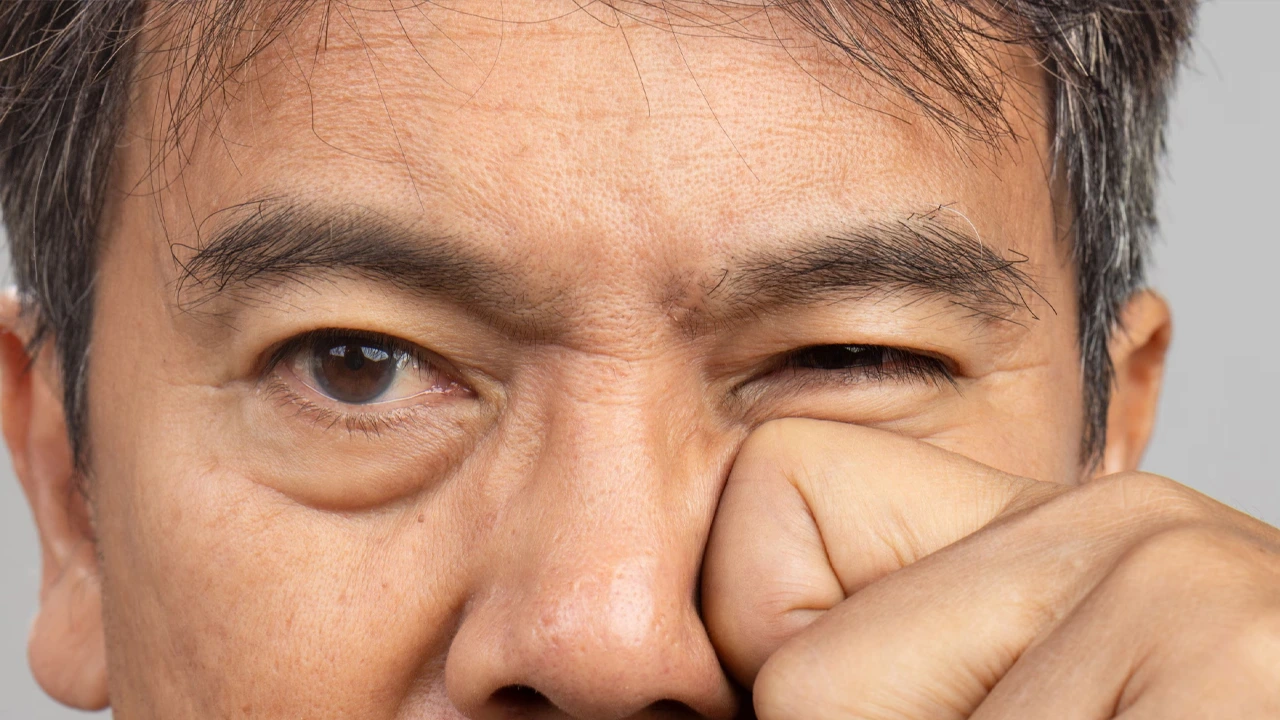
Myokymia is a condition characterized by involuntary, fine muscle twitching that occurs due to spontaneous contractions of muscle fibers. These twitches are usually visible under the skin and may appear as rippling or quivering movements.
The most common type is eyelid myokymia, where the muscles around the eyelid twitch intermittently. Although the condition is usually harmless and temporary, persistent or widespread muscle twitching may sometimes require medical evaluation.
Understanding the causes and symptoms of myokymia can help individuals manage the condition and know when to seek professional medical advice.
What Is Myokymia?
Myokymia refers to continuous, involuntary muscle activity caused by repetitive firing of motor nerves. It typically affects small muscle groups and produces subtle twitching movements.
The condition most commonly occurs in the eyelids, but it may also affect muscles in the face, arms, or legs.
In many cases, myokymia is benign and resolves on its own without requiring medical treatment.
Common Causes Of Myokymia
Several factors can trigger muscle twitching associated with myokymia.
Stress And Fatigue
Emotional stress and lack of sleep are among the most common triggers of eyelid twitching.
Excess Caffeine
High caffeine intake from coffee, tea, or energy drinks may overstimulate nerves and cause muscle twitching.
Eye Strain
Prolonged screen time or reading without adequate breaks can strain the eye muscles and lead to eyelid myokymia.
Nutritional Imbalance
Low levels of certain minerals such as magnesium or potassium may contribute to muscle twitching.
Certain Medications
Some medications that affect the nervous system may occasionally cause muscle twitching as a side effect.
Neurological Conditions
In rare cases, persistent or generalized myokymia may be associated with neurological disorders affecting nerve function.
Symptoms Of Myokymia
Symptoms may vary depending on the muscles involved but typically include:
- Repeated, involuntary muscle twitching
- Subtle rippling movement under the skin
- Intermittent eyelid twitching
- Episodes that come and go throughout the day
These twitches are usually painless but may become annoying if they persist.
When Should You See A Doctor?
Most cases of myokymia are temporary and resolve within a few days or weeks. However, medical evaluation may be necessary if:
- Twitching persists for several weeks
- The twitching spreads to other facial muscles
- The eyelid completely closes during the twitching
- Muscle weakness or other neurological symptoms appear
A doctor can evaluate the symptoms and rule out underlying neurological conditions if necessary.
How Is Myokymia Diagnosed?
Diagnosis is usually based on medical history and physical examination. In most cases, no additional tests are required.
However, if symptoms are persistent or unusual, doctors may recommend:
- Neurological examination
- Blood tests to check electrolyte levels
- Imaging studies such as MRI in rare cases
These tests help identify possible underlying causes.
Treatment And Management
Treatment depends on the cause and severity of the condition.
Lifestyle Adjustments
Simple lifestyle changes often help reduce or eliminate symptoms:
- Getting adequate sleep
- Reducing stress
- Limiting caffeine intake
- Taking regular breaks from screens
- Nutritional Support
Maintaining a balanced diet and adequate hydration can support normal nerve and muscle function.
Medical Treatment
In rare cases where twitching is persistent or severe, doctors may recommend medications or specialized treatments to manage symptoms.
Can Myokymia Be Prevented?
While it may not always be preventable, certain habits can reduce the risk of muscle twitching:
- Maintaining healthy sleep patterns
- Managing stress effectively
- Avoiding excessive caffeine
- Protecting eyes from strain during prolonged screen use
These measures can help maintain overall nerve and muscle health.
FAQs
Q: Is myokymia dangerous?
A: Most cases of myokymia are harmless and temporary, especially when related to stress or fatigue.
Q: How long does eyelid myokymia last?
A: Eyelid twitching usually lasts from a few days to a few weeks and often resolves on its own.
Q: Can stress cause myokymia?
A: Yes. Stress and lack of sleep are among the most common triggers of eyelid twitching.
Q: Does caffeine cause muscle twitching?
A: Excessive caffeine intake can stimulate nerves and may lead to muscle twitching.
Q: When should I seek medical advice?
A: You should consult a doctor if twitching persists for several weeks or is accompanied by other neurological symptoms.
Book Your Consultation
Myokymia is a common condition characterized by involuntary muscle twitching, most often affecting the eyelids. In many cases, it is harmless and triggered by factors such as stress, fatigue, or excessive caffeine intake.
Most episodes resolve on their own with simple lifestyle adjustments. However, persistent or unusual symptoms should be evaluated by a medical professional.
Consulting a specialist like Dr. Saurbhi Khurana can help determine the underlying cause and ensure appropriate care when needed.


