
Eyelid Coloboma
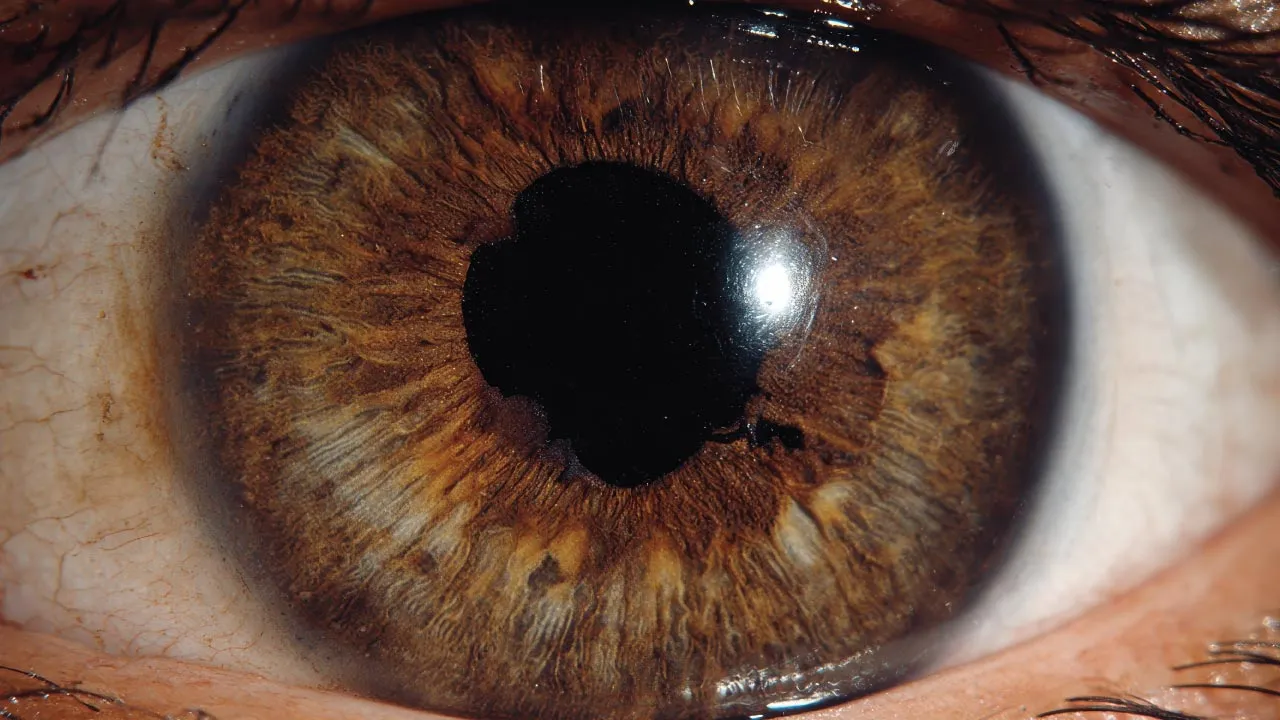
Eyelid coloboma is a rare congenital condition in which a portion of the upper or lower eyelid does not develop completely before birth. The defect may range from a small notch in the eyelid margin to a larger absence of eyelid tissue. Although uncommon, eyelid coloboma requires prompt evaluation because the eyelid plays a crucial role in protecting the eye and maintaining a healthy ocular surface.
According to Dr. Saurbhi Khurana, Oculoplastic Surgeon at Eyelid Care, Gurugram, early diagnosis and timely treatment are important to prevent corneal damage and support normal visual development in children.
What Is Eyelid Coloboma?
An eyelid coloboma is a developmental defect present at birth where a section of the eyelid is partially or completely missing. It most commonly affects the upper eyelid but may also involve the lower eyelid.
The condition can occur:
- As an isolated abnormality
- Along with other eye abnormalities
- As part of a congenital syndrome
The size and location of the defect determine its impact on eye health and the need for surgical correction.
Why Are Eyelids Important?
The eyelids are essential for:
- Protecting the eye from injury
- Distributing tears across the eye surface
- Preventing excessive dryness
- Shielding the cornea from environmental exposure
- Supporting healthy visual development
When part of the eyelid is missing, the eye may remain exposed, increasing the risk of complications.
What Causes Eyelid Coloboma?
Eyelid coloboma develops during fetal growth when the eyelid tissues fail to fuse or develop normally.
The exact cause is not always known. However, it may be associated with:
- Genetic factors
- Developmental abnormalities during pregnancy
- Certain congenital syndromes
- Rare craniofacial disorders
Most parents do not do anything that causes the condition, and it is usually identified at birth.
Signs And Symptoms Of Eyelid Coloboma
The appearance can vary depending on the size of the defect.
Common features include:
- Visible gap or notch in the eyelid
- Missing eyelid tissue
- Incomplete eyelid closure
- Eye dryness
- Excessive tearing
- Eye irritation
- Redness of the eye
In severe cases, the cornea may become exposed and damaged.
Potential Complications
Without treatment, eyelid coloboma may lead to:
Exposure Keratopathy
The cornea may dry out because the eyelid cannot adequately cover and protect the eye.
Corneal Ulcers
Persistent exposure can result in corneal injury and ulcer formation.
Corneal Scarring
Untreated corneal damage may leave permanent scars that affect vision.
Amblyopia (Lazy Eye)
Vision development may be impaired if the eye is not adequately protected during early childhood.
Because of these risks, prompt assessment by an oculoplastic specialist is recommended.
How Is Eyelid Coloboma Diagnosed?
Diagnosis is usually made through a detailed eye examination.
The evaluation may include:
- Assessment of eyelid structure
- Corneal examination
- Tear film evaluation
- Vision assessment
- Screening for associated congenital abnormalities
In some cases, additional investigations may be recommended if a syndrome is suspected.
Treatment Options For Eyelid Coloboma
Treatment depends on the size of the defect and the degree of corneal exposure.
Lubrication And Eye Protection
For small defects, temporary management may include:
- Lubricating eye drops
- Lubricating ointments
- Protective measures to prevent corneal dryness
These measures help protect the eye until definitive treatment is planned.
Surgical Eyelid Reconstruction
Surgery is the primary treatment for most eyelid colobomas.
The goals of surgery are to:
- Restore eyelid structure
- Protect the cornea
- Improve eyelid function
- Achieve a natural appearance
The surgical technique depends on the size and location of the defect.
Small Defects
Small colobomas may be repaired by directly joining the surrounding eyelid tissues.
Larger Defects
Larger defects may require:
- Local tissue flaps
- Skin grafts
- Advanced reconstructive techniques
Oculoplastic surgeons carefully plan reconstruction to preserve both function and appearance.
When Is Surgery Performed?
The timing of surgery depends on:
- Size of the defect
- Degree of corneal exposure
- Risk to vision
- Overall health of the child
Large defects that threaten the cornea may require early surgical intervention during infancy.
Smaller defects may sometimes be repaired later based on clinical assessment.
Long-Term Outlook
The prognosis for eyelid coloboma is generally excellent when diagnosed and treated appropriately.
Most children experience:
- Good eyelid function
- Healthy corneal protection
- Improved appearance
- Normal visual development with proper follow-up
Regular ophthalmic evaluations remain important during childhood.
Importance Of Specialized Oculoplastic Care
Eyelid reconstruction requires detailed knowledge of both eyelid anatomy and eye health. An experienced oculoplastic surgeon can ensure that reconstruction not only improves appearance but also restores the critical protective function of the eyelid.
Dr. Saurbhi Khurana specializes in eyelid and oculoplastic surgery, providing advanced reconstructive care for congenital eyelid conditions and complex eyelid disorders at Eyelid Care, Gurugram.
Conclusion
Eyelid coloboma is a rare congenital condition in which part of the eyelid fails to develop normally. Although it may appear as a simple gap in the eyelid, it can lead to serious complications if the eye remains exposed. Early diagnosis, careful monitoring, and timely surgical reconstruction help protect vision and support healthy eye development.
With modern oculoplastic techniques and expert care, most patients achieve excellent functional and cosmetic outcomes.
FAQs
Q: What Is Eyelid Coloboma?
A: Eyelid coloboma is a congenital condition where part of the eyelid is missing at birth.
Q: Is Eyelid Coloboma Serious?
A: It can be serious if it causes corneal exposure, dryness, or damage to the surface of the eye.
Q: Does Eyelid Coloboma Require Surgery?
A: Most cases require surgical reconstruction to protect the eye and restore normal eyelid function.
Q: Can Eyelid Coloboma Affect Vision?
A: Yes. If left untreated, corneal damage and abnormal visual development may affect vision.
Q: When Should Surgery Be Performed?
A: The timing depends on the size of the defect and the risk of corneal exposure. Severe cases may require early surgery during infancy.
If your child has a congenital eyelid abnormality or has been diagnosed with eyelid coloboma, consult Dr. Saurbhi Khurana, Oculoplastic Surgeon at Eyelid Care, Gurugram, for expert evaluation, advanced eyelid reconstruction, and comprehensive eye protection solutions.


