
Contracted Eye Socket: Causes, Symptoms and Treatment Options
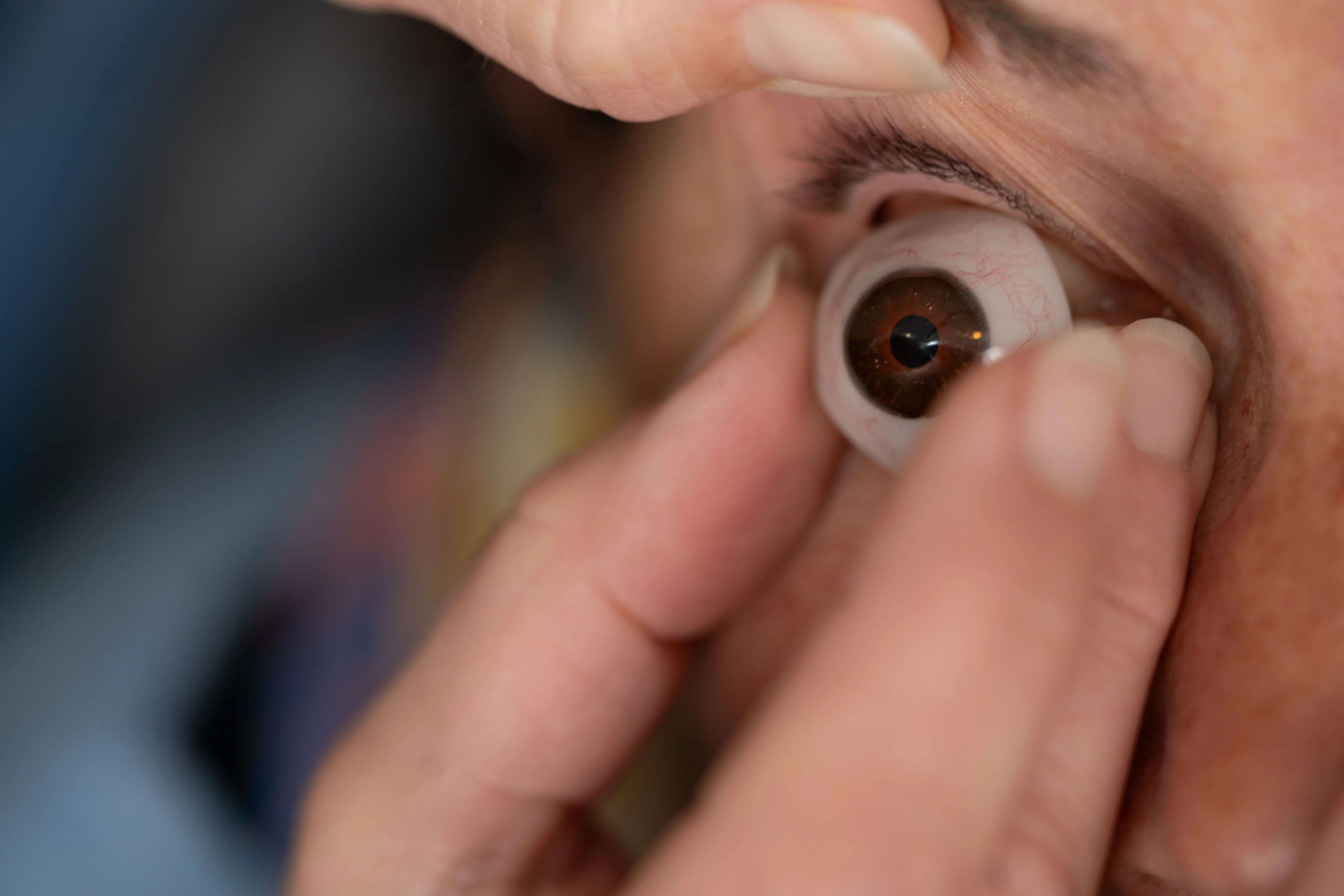
The eye socket plays an important role in supporting and positioning the eye or an artificial eye. However, some people who have undergone eye removal surgery may gradually notice changes in the surrounding tissues. The socket may become smaller, tighter or unable to hold an artificial eye comfortably. This condition is known as a contracted eye socket.
A contracted socket can affect more than appearance. It may cause discomfort, difficulty wearing a prosthetic eye and changes in the eyelids. Although the condition can be challenging, different treatment options are available depending on its severity and the condition of the surrounding tissues.
Understanding the causes, symptoms and available treatments can help patients seek timely care from an oculoplastic specialist.
What Is a Contracted Eye Socket?
A contracted eye socket is a condition in which the tissues lining the eye socket become scarred, shortened or reduced in volume. It generally occurs in people who have undergone enucleation or evisceration, procedures in which the natural eye is removed or its contents are removed.
Following these procedures, an artificial eye, also called an ocular prosthesis, may be fitted to restore the appearance of the eye. The surrounding tissues need to provide enough space and support to hold the prosthesis comfortably.
When the socket lining contracts, the space available for the artificial eye may reduce. This can make the prosthesis difficult to wear or cause it to become loose or unstable.
The condition can range from mild contraction, which may affect the fit of the prosthesis, to severe contraction, where the socket may no longer accommodate an artificial eye.
What Causes a Contracted Eye Socket?
Several factors can contribute to the development of a contracted socket. Some common causes include:
Scarring After Eye Removal Surgery
Enucleation and evisceration may sometimes be followed by scarring in the socket lining. Excessive scar tissue can shorten the tissues and reduce the space available for the prosthesis.
Previous Eye Injury or Trauma
Severe injuries involving the eye and surrounding tissues can damage the socket lining. Healing may lead to scar formation, which can contribute to contraction.
Radiation Therapy
Patients who have received radiation treatment around the eye socket may develop tissue changes, including scarring and reduced flexibility. These changes can affect the socket's ability to accommodate a prosthesis.
Chronic Inflammation or Infection
Long-standing inflammation or infection can damage the delicate tissues lining the socket. In some cases, healing may result in scarring and tissue contraction.
Reduced Socket Volume
Insufficient support from an orbital implant or changes in the surrounding tissues may contribute to problems with prosthesis fitting. Reduced socket volume and contraction of the lining can occur together, although they are not the same condition.
Previous Socket Surgeries
Repeated surgical procedures may increase the risk of scar formation, particularly when the tissues have already been damaged or are healing poorly.
What Are the Symptoms of a Contracted Eye Socket?
The symptoms may develop gradually or become noticeable when a patient experiences difficulty wearing an artificial eye.
Common signs include:
- Difficulty wearing a prosthetic eye: The artificial eye may no longer fit properly or may keep slipping out.
- Reduced socket depth: The space inside the socket may appear smaller than before.
- Discomfort or irritation: Scarred or sensitive tissues may cause discomfort while wearing the prosthesis.
- Excessive discharge: Some patients may experience increased mucus or discharge from the socket.
- Changes in eyelid position: The eyelids may turn inward or outward, or the lower eyelid may become pulled down.
- Difficulty opening or closing the eyelids: Severe tissue contraction can affect normal eyelid movement.
- Changes in appearance: The socket may look sunken or asymmetrical compared with the other side.
Not everyone experiences all these symptoms. A clinical examination is necessary to determine whether socket contraction, reduced volume or another condition is responsible.
How Is a Contracted Eye Socket Diagnosed?
An oculoplastic surgeon evaluates the socket, surrounding tissues and the fit of the artificial eye to understand the extent of the condition.
The assessment may include:
- Reviewing the history of eye removal surgery, injuries, radiation or previous socket procedures.
- Examining the depth and lining of the socket.
- Checking the position and movement of the eyelids.
- Assessing the fit, stability and comfort of the existing prosthesis.
- Evaluating the presence of scar tissue, inflammation or tissue loss.
In selected cases, imaging may be recommended to assess the orbital implant and surrounding structures. The findings help the surgeon decide whether non-surgical adjustments or reconstructive surgery may be appropriate.
What Are the Treatment Options for a Contracted Eye Socket?
Treatment depends on the degree of contraction, the amount of healthy tissue available and whether the patient can comfortably wear a prosthetic eye.
Prosthesis Modification
In mild cases, the existing artificial eye may be adjusted or replaced with a prosthesis designed to fit the changed socket. This may improve comfort and stability when sufficient socket space remains.
Socket Conformers
A conformer is a temporary device used to help maintain or support the shape of the socket. It may be recommended in selected cases, particularly during healing or as part of a treatment plan.
Scar Tissue Release
When scar tissue is responsible for restricting the socket, surgery may be required to release the contracted tissues. This helps restore space within the socket.
Mucous Membrane Grafting
In moderate or severe cases, the surgeon may use tissue from the inside of the mouth to replace the shortened socket lining. This is known as a mucous membrane graft. It helps create a healthier lining and increase the available space for the prosthesis.
Skin Grafting
When the outer lining of the socket needs additional tissue, a skin graft may be considered. The choice of graft depends on the location and extent of tissue loss.
Dermis-Fat Grafting
A dermis-fat graft uses tissue taken from another part of the patient's body. It may help restore lost volume and support the socket lining in selected cases.
Correction of Eyelid Problems
A contracted socket may occur alongside eyelid changes such as lower eyelid retraction or inward turning of the eyelid. Additional procedures may be needed to improve eyelid position and support prosthesis retention.
Not every patient requires surgery. The treatment plan is individualised according to the condition of the socket and the patient's needs.
What Can You Expect After Contracted Socket Surgery?
Recovery depends on the type and extent of reconstruction performed. Patients may experience temporary swelling, mild discomfort or discharge during the initial healing period.
The surgeon will provide instructions regarding wound care, medication and follow-up visits. A conformer may be used during healing, and the timing of fitting a new prosthetic eye will depend on tissue recovery.
It is important to attend scheduled follow-ups so that the surgeon can monitor healing and assess when the socket is ready for prosthesis fitting.
When Should You Consult an Oculoplastic Surgeon?
If your artificial eye no longer fits comfortably, keeps falling out or causes persistent irritation, do not try to adjust it yourself. Similarly, changes in socket depth, eyelid position or persistent discharge should be evaluated.
Early assessment can help identify the extent of contraction and determine whether prosthesis modification or surgical reconstruction is needed. Patients with a history of eye removal surgery, trauma or radiation may also benefit from specialist follow-up if they notice changes in the socket.
Get Expert Care for Contracted Eye Socket
A contracted eye socket can affect comfort, prosthesis fitting and appearance. The right treatment depends on the underlying cause and the extent of tissue changes. An individualised assessment by an experienced oculoplastic surgeon can help determine suitable options for socket reconstruction and prosthetic eye rehabilitation.
Consult Dr. Saurbhi Khurana, Oculoplastic Surgeon in Gurugram, for an evaluation of contracted eye socket concerns and guidance on appropriate treatment options.
Frequently Asked Questions
Q: Can a contracted eye socket be treated?
A: Yes. Treatment may include prosthesis modification, scar tissue release, tissue grafting or other reconstructive procedures, depending on the severity of contraction.
Q: Does a contracted eye socket always require surgery?
A: No. Mild cases may be managed by adjusting the artificial eye. Moderate or severe contraction may require surgical reconstruction.
Q: Can I wear an artificial eye with a contracted socket?
A: It depends on the degree of contraction. Some patients can continue wearing a modified prosthesis, while others may need treatment to create enough space for a comfortable fit.
Q: How long does recovery from contracted eye socket surgery take?
A: Recovery varies according to the procedure performed and the condition of the tissues. The surgeon will advise when the socket has healed sufficiently for prosthesis fitting.
Q: Can a contracted eye socket develop years after eye removal surgery?
A: Yes. Socket contraction can develop gradually, sometimes years after surgery, due to scarring, tissue changes or other factors. New difficulty with prosthesis fitting should be evaluated by an oculoplastic surgeon.


