
Congenital Ptosis – What You Need to Know
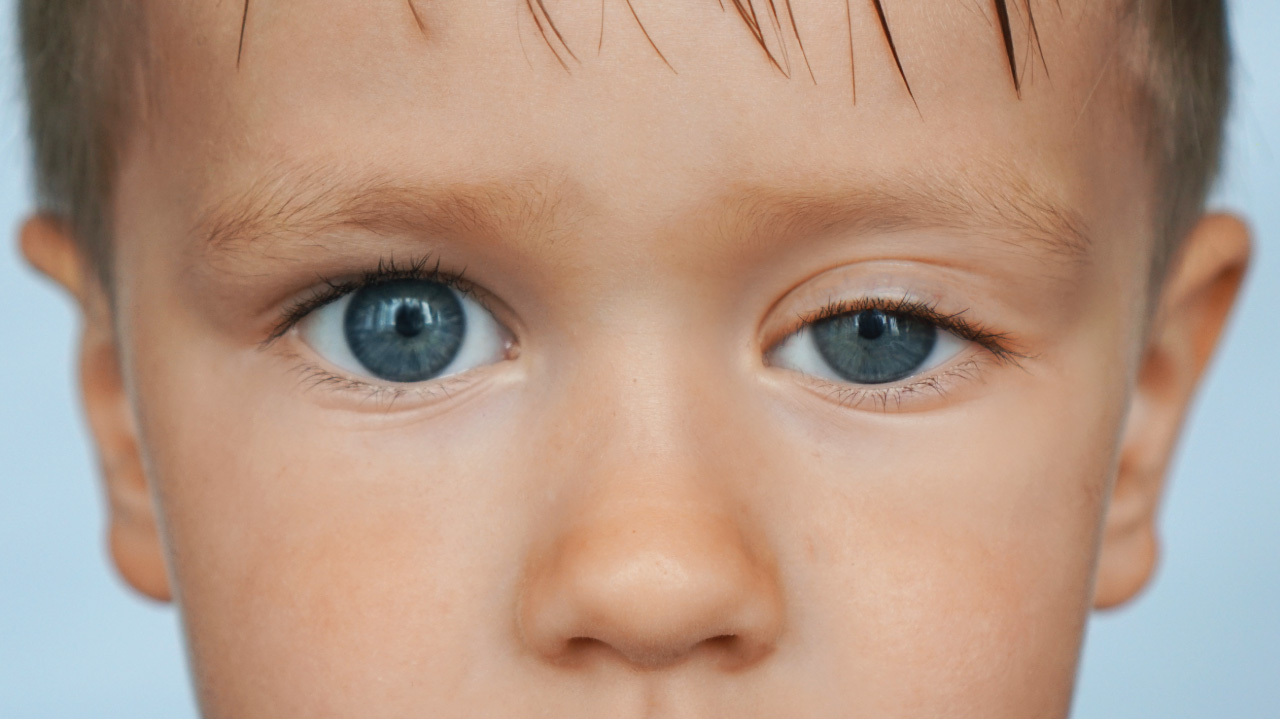
Congenital ptosis is a condition where a child is born with drooping of the upper eyelid. While it may appear as a minor cosmetic issue, untreated ptosis can affect vision development and lead to long-term eye problems.
Dr. Saurbhi Khurana, Oculoplasty Surgeon, highlights the importance of early diagnosis, evaluation, and treatment for congenital ptosis.
Understanding Congenital Ptosis
Ptosis refers to the drooping of the upper eyelid, and when present at birth, it is classified as congenital. The severity can range from mild, barely noticeable drooping to severe ptosis covering the pupil, which can impair vision.
Congenital ptosis occurs due to poor development or dysfunction of the levator muscle, the muscle responsible for lifting the eyelid. In some cases, the condition is isolated, while in others, it may be associated with other congenital eye abnormalities.
Causes Of Congenital Ptosis
- Levator Muscle Dysgenesis: Underdeveloped or weak levator muscle, the most common cause.
- Nerve-related Issues: Rarely, abnormal nerve supply affects eyelid movement.
- Genetic Factors: Family history may increase the likelihood.
- Associated Syndromes: May occur with conditions like Marcus Gunn jaw-winking or other ocular syndromes.
Signs And Symptoms
Congenital ptosis can present with:
- Visible Drooping: One or both upper eyelids droop more than normal.
- Compensatory Head Posture: Children tilt their head back or raise eyebrows to see clearly.
- Amblyopia (Lazy Eye): Vision may be affected if the eyelid covers the pupil.
- Asymmetry: Eyelid heights differ between eyes.
- Eye Strain: Prolonged effort to lift the eyelid may cause fatigue or headaches.
Early recognition is important to prevent vision impairment and developmental issues.
Impact On Vision
When the eyelid covers part of the pupil, it can interfere with normal visual development. This can lead to:
- Amblyopia (Lazy Eye): Reduced vision in the affected eye due to lack of stimulation.
- Astigmatism or Refractive Errors: Pressure on the cornea may distort its shape.
- Binocular Vision Issues: Difficulty focusing with both eyes simultaneously.
Dr. Saurbhi Khurana emphasizes that even mild ptosis should be evaluated by an oculoplasty surgeon to prevent vision problems.
Diagnosis Of Congenital Ptosis
Diagnosis involves a thorough eye examination, including:
- Visual Acuity Test: Assessing how well the child sees.
- Eyelid Measurements: Degree of droop and levator function.
- Pupil and Cornea Assessment: Checking for obstruction or irregularities.
- Photography: Helps in monitoring progression over time.
- Associated Eye Conditions: Evaluation for amblyopia or other congenital anomalies.
Early diagnosis ensures timely intervention to protect vision and improve appearance.
Treatment Options
Treatment depends on the severity of ptosis, eyelid function, and risk to vision.
1. Observation
- Mild ptosis not affecting vision may be monitored regularly.
- Children are re-evaluated periodically to detect any changes.
2. Surgical Intervention
Surgery is the most common treatment for moderate to severe congenital ptosis. Goals include lifting the eyelid, restoring symmetry, and preventing vision problems.
Common Surgical Techniques:
- Levator Resection: Strengthens or shortens the levator muscle to lift the eyelid.
- Frontalis Sling Procedure: Uses a sling connected to the forehead muscle for children with very weak levator function.
- Adjustable Sutures: Allow fine-tuning of eyelid height post-surgery.
Surgery is usually performed once the child is old enough, but urgent intervention may be required if vision is compromised.
Post-Surgery Care
- Follow-Up Visits: Ensure proper healing and eyelid positioning.
- Eye Protection: Lubricating drops may be recommended to prevent dryness.
- Monitoring for Complications: Swelling, asymmetry, or overcorrection may occur but are usually manageable.
With modern oculoplasty techniques, outcomes are generally excellent, restoring both function and appearance.
FAQs On Congenital Ptosis
Q1. Can congenital ptosis affect both eyes?
Yes, it may be unilateral (one eye) or bilateral (both eyes).
Q2. Is surgery always necessary?
Not always. Mild ptosis without visual impact can be monitored, but surgery is recommended if the pupil is blocked or vision is affected.
Q3. At what age is surgery recommended?
Typically between 2–5 years, earlier if vision is threatened.
Q4. Can congenital ptosis recur after surgery?
Recurrence is rare but can happen; follow-up ensures timely management.
Q5. Are there non-surgical options?
Non-surgical management includes observation and visual therapy but does not correct severe eyelid droop.
Expert Care For Congenital Ptosis
Congenital ptosis is more than a cosmetic concern. Early evaluation by an oculoplasty surgeon ensures that vision development is protected and eyelid function is restored effectively.
Dr. Saurbhi Khurana, Oculoplasty Surgeon, specializes in managing congenital ptosis using modern surgical techniques designed for optimal visual outcomes and natural appearance.
Consult Dr. Saurbhi Khurana Today
Ensure your child’s eyelids and vision develop healthily. Early expert intervention can prevent vision problems and improve both function and confidence.


