
Both Eyelids Are Drooping: What Could Be Behind It?
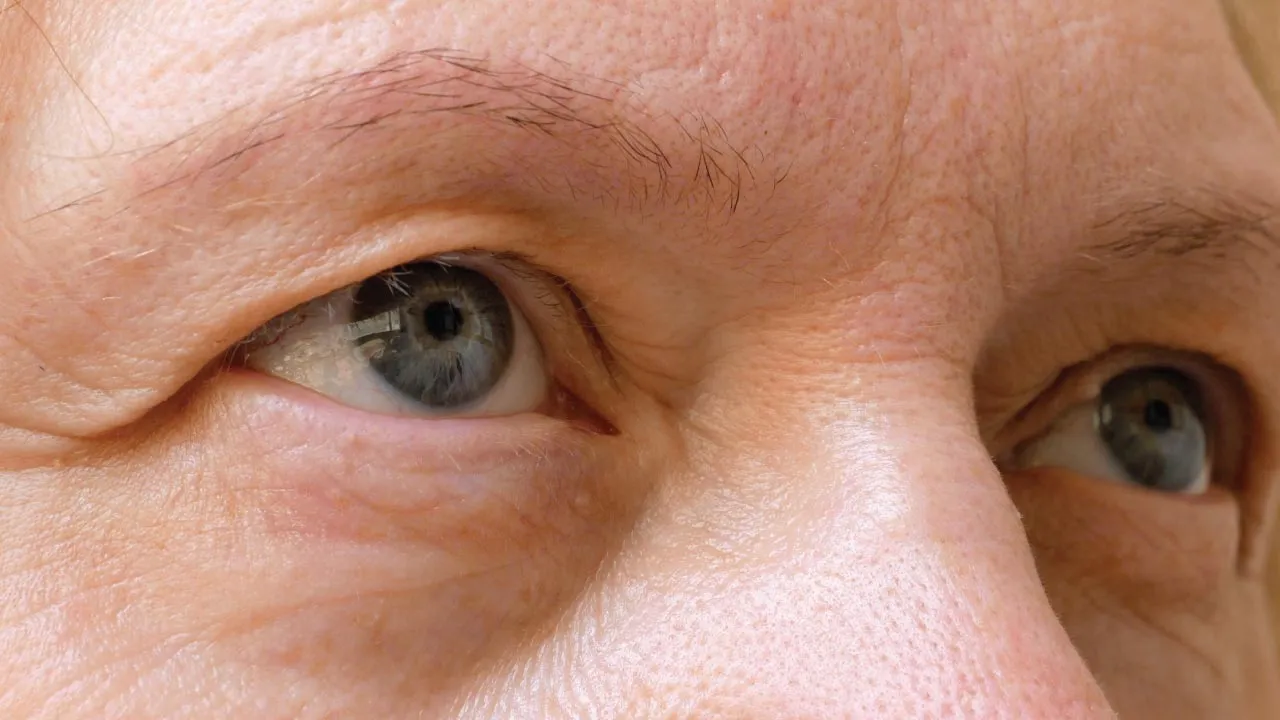
When both upper eyelids gradually start sitting lower than they used to, it can be easy to think it is simply part of getting older. Sometimes it is. But both eyelids drooping, medically known as bilateral ptosis, can have several possible causes.
The eyelid may become lower because of changes in the eyelid-lifting muscle, its supporting structures, the nerves controlling it, or changes around the eye.
Understanding why the eyelids are drooping matters because treatment depends on what is causing the problem.
What Is Ptosis?
Ptosis refers to an abnormally low position of the upper eyelid.
When it affects both eyes, it is called bilateral ptosis. The amount of drooping may be similar in both eyes, or one eyelid may sit lower than the other.
Some people notice the change mainly in photographs, while others may find that their eyelids are beginning to interfere with their upper field of vision.
Ptosis is different from excess skin on the upper eyelids, although both conditions can occur together.
Age-Related Changes Can Affect Both Eyelids
One of the more common reasons for gradually developing droopy eyelids is age-related change.
With time, the tissues supporting the upper eyelid can stretch or become less effective. The muscle responsible for lifting the eyelid may also become less efficient or its attachment may change.
This type of ptosis often develops gradually and may affect both eyes.
Some people also develop excess upper-eyelid skin at the same time. This can make the eyelids appear even heavier and may contribute to a feeling of reduced peripheral vision.
Could It Be A Muscle Problem?
The muscles that help lift the eyelids need to work properly for the eyes to remain open.
Certain muscle disorders can affect eyelid movement and may cause drooping in both eyes. A key clue can be variation in eyelid position, such as drooping that becomes more noticeable later in the day or changes with prolonged activity.
If the degree of drooping fluctuates significantly, an eye specialist may consider whether a neuromuscular condition could be involved.
This is one reason that a proper examination is important before deciding on ptosis surgery.
Nerve Problems Can Also Cause Droopy Eyelids
The nerves controlling the muscles around the eye play an important role in eyelid movement.
A problem affecting these nerves can sometimes cause ptosis. Depending on the underlying cause, other symptoms may also occur, including changes in eye movement, pupil size, double vision, or facial weakness.
Sudden eyelid drooping, particularly when accompanied by double vision, severe headache, unequal pupils, weakness, or other neurological symptoms, requires prompt medical evaluation.
Previous Eye Surgery Or Injury May Play A Role
Eyelid drooping can sometimes develop after previous eye surgery, trauma, or repeated mechanical stress on the eyelids.
The tissues that help maintain eyelid position can be affected by these events, potentially leading to acquired ptosis.
A detailed history of previous procedures, injuries, and eye conditions can therefore be an important part of an oculoplastic assessment.
Is It Always Ptosis?
Not every droopy-looking eyelid is caused by ptosis.
Excess eyelid skin, changes in the eyebrow position, swelling, or other eyelid conditions can create a similar appearance.
An oculoplastic surgeon examines the eyelid position, eyelid muscles, eyebrow position, eye movements, pupils, and surrounding structures to determine what may be contributing to the appearance.
This distinction matters because the appropriate treatment can be very different depending on the underlying problem.
When Should Both Droopy Eyelids Be Evaluated?
An evaluation is particularly important if the drooping:
- Is new or progressively worsening
- Interferes with your upper field of vision
- Changes significantly throughout the day
- Is associated with double vision
- Occurs with unequal pupils
- Is accompanied by facial or limb weakness
- Develops suddenly
- Follows an injury or eye surgery
Even when the change has developed gradually, an examination can help determine whether it is age-related ptosis or something that requires further investigation.
What Happens During A Ptosis Evaluation?
An oculoplastic evaluation usually begins with a detailed discussion of when the drooping started and whether it changes during the day.
The doctor may assess:
- The position of each upper eyelid
- Eyelid movement and muscle function
- Pupil size and reaction
- Eye movements
- Eyebrow position
- Excess upper-eyelid skin
- Vision and the effect of drooping on the visual field
Additional testing may be recommended when the examination suggests an underlying neurological or muscular cause.
Does Bilateral Ptosis Always Need Surgery?
No.
Treatment depends on the cause, severity, symptoms, and whether the drooping affects vision or daily activities.
If an underlying medical or neurological condition is identified, treating or managing that condition may be an important part of care.
When the eyelid position itself needs correction, ptosis surgery may be considered. The specific surgical technique depends on factors such as eyelid muscle function and the severity and type of ptosis.
The goal is to improve eyelid position while maintaining appropriate eyelid closure and protecting the surface of the eye.
What About Eyelid Surgery?
Patients sometimes use the term eyelid surgery broadly, but ptosis repair is not the same as every type of cosmetic eyelid procedure.
For example, removing excess upper-eyelid skin addresses a different problem from correcting a weakened or stretched eyelid-lifting mechanism.
An oculoplastic surgeon can determine whether ptosis repair, treatment of excess skin, eyebrow correction, or a combination of approaches is appropriate.
The Bottom Line
When both eyelids start drooping, the cause may be something relatively common, such as age-related changes, but it can also be related to the eyelid muscle, nerves, previous surgery, injury, or another medical condition.
The appearance alone cannot always tell you what is happening underneath.
If your eyelids are becoming increasingly droopy, especially if the change is sudden, fluctuating, or affecting your vision, an evaluation by an oculoplastic surgeon can help identify the cause and guide appropriate treatment.
Get Your Droopy Eyelids Evaluated
If both eyelids are becoming lower or feel increasingly heavy, it is worth finding out what is behind the change rather than assuming it is simply an age-related concern.
Dr. Saurbhi Khurana, an oculoplastic surgeon in Gurugram, can assess eyelid position, muscle function, surrounding eye structures, and other possible causes of bilateral ptosis to determine the next appropriate step.
Schedule an evaluation if you are concerned about droopy eyelids, changes in your field of vision, or other new eyelid symptoms.
FAQs
Q: What is bilateral ptosis?
A: Bilateral ptosis means that both upper eyelids are drooping lower than their normal position. It can have several causes, including age-related changes, muscle disorders, nerve problems, previous surgery, or injury.
Q: Can both eyelids droop because of aging?
A: Yes. Age-related changes in the eyelid muscle and supporting tissues can gradually cause ptosis in one or both eyes. Excess eyelid skin may also contribute to a droopy appearance.
Q: Is ptosis the same as excess eyelid skin?
A: No. Ptosis involves a low position of the upper eyelid, while excess eyelid skin involves additional skin hanging over the eyelid. Both can occur together and require different approaches to treatment.
Q: Can droopy eyelids affect vision?
A: Yes. Significant ptosis can obstruct part of the upper field of vision. An eye specialist can assess whether the eyelid position is affecting your vision.
Q: When is ptosis surgery considered?
A: Ptosis surgery may be considered when drooping is significant, affects vision or daily activities, or causes other concerns that are appropriate for surgical correction. The technique depends on the underlying cause and eyelid muscle function.
Q: Is sudden drooping of both eyelids an emergency?
A: Sudden eyelid drooping should be medically assessed, particularly if it occurs with double vision, severe headache, unequal pupils, facial weakness, or other neurological symptoms. Prompt evaluation can help rule out potentially serious causes.


