
Blepharospasm
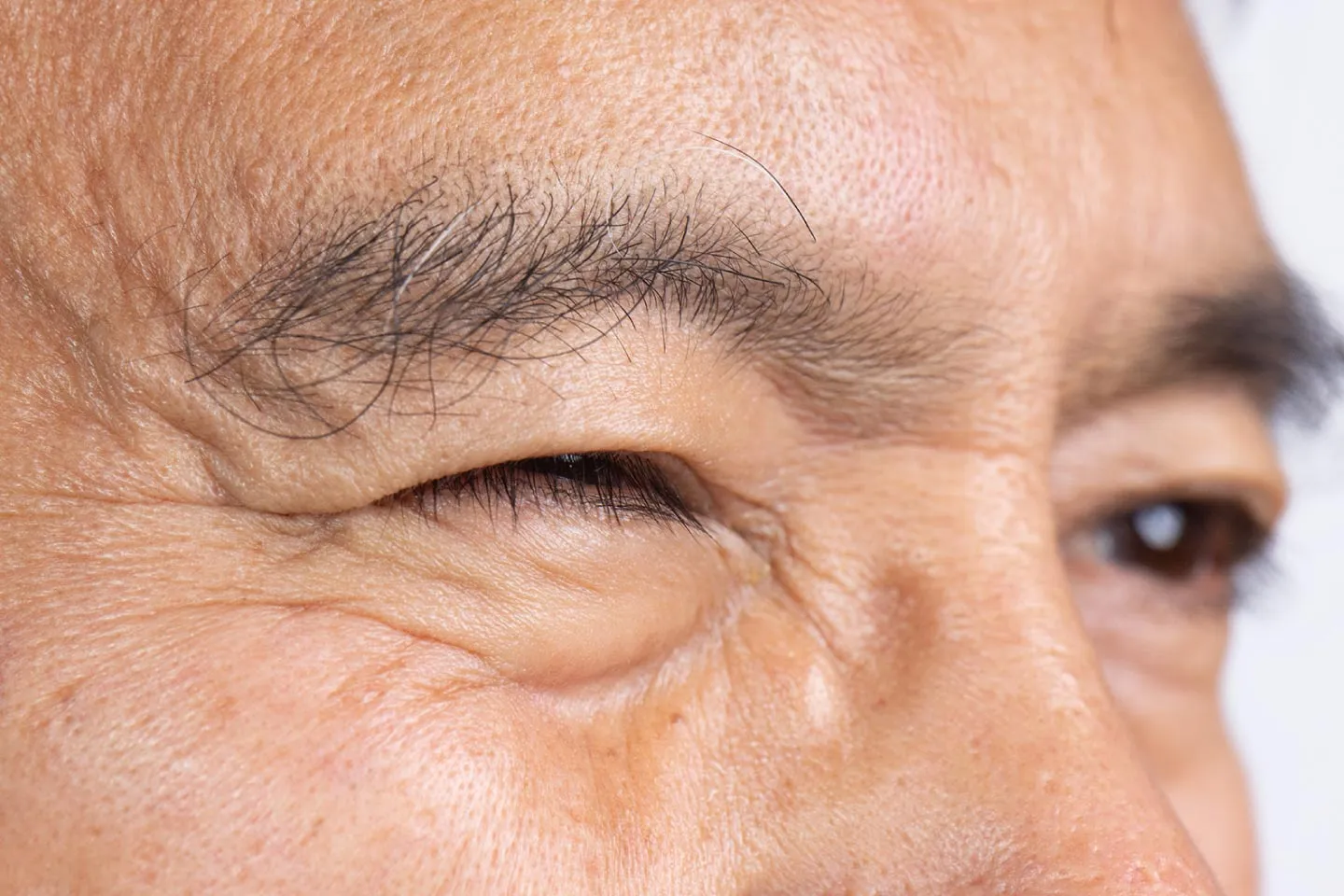
Blepharospasm is a neurological condition characterized by involuntary contractions or spasms of the eyelid muscles. These spasms can range from mild twitching to forceful eyelid closure, sometimes interfering with vision and routine activities like reading, driving, or working. Early recognition and appropriate treatment are important to help maintain comfort, vision, and overall quality of life.
Dr. Saurbhi Khurana emphasizes that understanding the underlying causes and timely management can significantly reduce the impact of blepharospasm on everyday functioning. Factors such as stress, fatigue, excessive screen time, or underlying neurological conditions may contribute to symptoms. Treatment options may include lifestyle adjustments, medications, botulinum toxin injections, or other therapies depending on severity. Consulting a specialist helps ensure accurate diagnosis and personalized care.
What Is Blepharospasm
Blepharospasm involves abnormal, repetitive blinking or eyelid closure caused by involuntary muscle contractions. It is often classified as:
- Benign Essential Blepharospasm: Occurs without an identifiable cause; typically affects both eyes.
- Secondary Blepharospasm: Results from other conditions such as neurological disorders, eye irritation, or medication side effects.
Symptoms can interfere with vision, reading, driving, and professional tasks, especially if the spasms are frequent or prolonged.
Causes Of Blepharospasm
The exact cause of essential blepharospasm is not fully understood but may involve abnormal signaling in the brain’s basal ganglia. Known triggers and contributing factors include:
- Neurological disorders such as Parkinson’s disease or dystonia
- Eye irritation from dry eyes, allergies, or inflammation
- Fatigue or stress that worsens muscle spasms
- Prolonged use of digital devices
- Certain medications that affect the nervous system
Identifying triggers can help manage symptoms more effectively.
Symptoms Of Blepharospasm
Symptoms may start subtly and gradually worsen over time. Common signs include:
- Frequent eye twitching or blinking
- Involuntary eyelid closure affecting vision
- Eye irritation or discomfort
- Sensitivity to light (photophobia)
- Difficulty performing daily activities due to vision obstruction
The severity varies among individuals, and early evaluation can prevent progression.
Diagnosis Of Blepharospasm
Diagnosis is primarily clinical, based on patient history and observation. Your doctor may perform:
- Comprehensive eye examination to rule out ocular causes
- Neurological assessment to evaluate muscle function and reflexes
- Review of medications and medical history to identify secondary causes
- Accurate diagnosis helps determine the most appropriate treatment plan.
Treatment Options
Treatment depends on severity, underlying cause, and patient-specific factors.
Medical Therapy
- Botulinum toxin (Botox) injections: The most effective treatment for essential blepharospasm, temporarily relaxing eyelid muscles.
- Oral medications: Muscle relaxants or anti-cholinergic drugs may be used in some cases.
- Eye drops: Lubricating drops relieve irritation that can worsen spasms.
Lifestyle And Supportive Measures
- Managing stress and fatigue to reduce symptom frequency
- Using tinted glasses to minimize light sensitivity
- Regular breaks from digital screens to avoid eye strain
Dr. Saurbhi Khurana notes that combining medical and lifestyle interventions often yields the best outcomes.
When Surgery May Be Considered
In rare cases where medical therapy is insufficient, surgical options may be explored:
- Myectomy: Removal of specific eyelid muscles to reduce severe spasms
- Other procedures may target eyelid function while preserving eye protection
- Surgery is typically reserved for patients who do not respond to less invasive treatments.
Living With Blepharospasm
While blepharospasm can be chronic, patients can lead a normal life with proper management:
- Regular follow-up to adjust treatment
- Avoiding triggers like bright lights, fatigue, or prolonged screen time
- Support groups or counseling to cope with social or professional challenges
Early recognition and proactive management are key to minimizing disruption to daily life.
FAQs
Q: Can blepharospasm affect vision permanently?
A: No, but severe cases may temporarily interfere with vision if the eyelids remain closed frequently.
Q: Is blepharospasm hereditary?
A: Most cases are not hereditary, but certain neurological conditions may run in families.
Q: How long does Botox treatment last?
A: Typically, Botox effects last 3–4 months, after which repeat injections may be necessary.
Q: Can stress make blepharospasm worse?
A: Yes. Stress and fatigue are common triggers for eyelid spasms.
Q: Are there preventive measures?
A: Minimizing eye strain, managing stress, and treating underlying eye conditions can help reduce symptoms.
Conclusion
Blepharospasm is a manageable condition when detected early. With a combination of medical therapy, lifestyle adjustments, and supportive care, patients can maintain vision and quality of life.
Dr. Saurbhi Khurana advises individuals experiencing frequent eyelid twitching or spasms to seek expert evaluation. Timely intervention improves outcomes and allows patients to continue daily activities without significant disruption.
Consult Dr. Saurbhi Khurana today for comprehensive assessment and treatment of blepharospasm. Early diagnosis and personalized care can help you regain control over your eye health.


